Search This Blog

Translate

Showing posts with label food. Show all posts

Tuesday, June 14, 2016

Comfort food (used as a noun)


Context #1 A teacher and his student talkingTeacher: What's wrong Tatiana? Tatiana: I have been feeling a little down recently and last night I went to a Russian restaurant near my apartment. Teacher: I hope you had a great time. Did you eat anything good? Tatiana: Yeah, that's the problem. Since I was missing home I ate some Russian comfort food. I had a very delicious bowl of Borscht. Teacher: That's wonderful! So what's the problem? Tatiana: It reminded me of home so much that now I'm really homesick.


Context #2 Two friends talking Henry: So Jeries , do you get home often? Jeries: Not as often as I would like to. My boss keeps me really busy. Henry: I hear you. My boss can be like that too. Don't you miss you family and friends? Jeries: Nope. My mom sends me some really good Mac and Cheese. She makes it from scratch. Henry: That's gotta be good to eat some old fashioned comfort food. Jeries: Yeah, it reminds me of when I was a little boy. we would have Mac and Cheese almost every weekend. I am amazed that I still love it.


Meaningf Comfort food is simple, homestyle food that brings an individual comforting thoughts of their home or childhood. In context #1 Borscht reminds Tatiana of her home in Russia. In context #2 the Mac and Cheese reminds Jeries of the time when he was young.


Tuesday, May 3, 2016

A Baker's Dozen (used as a noun)


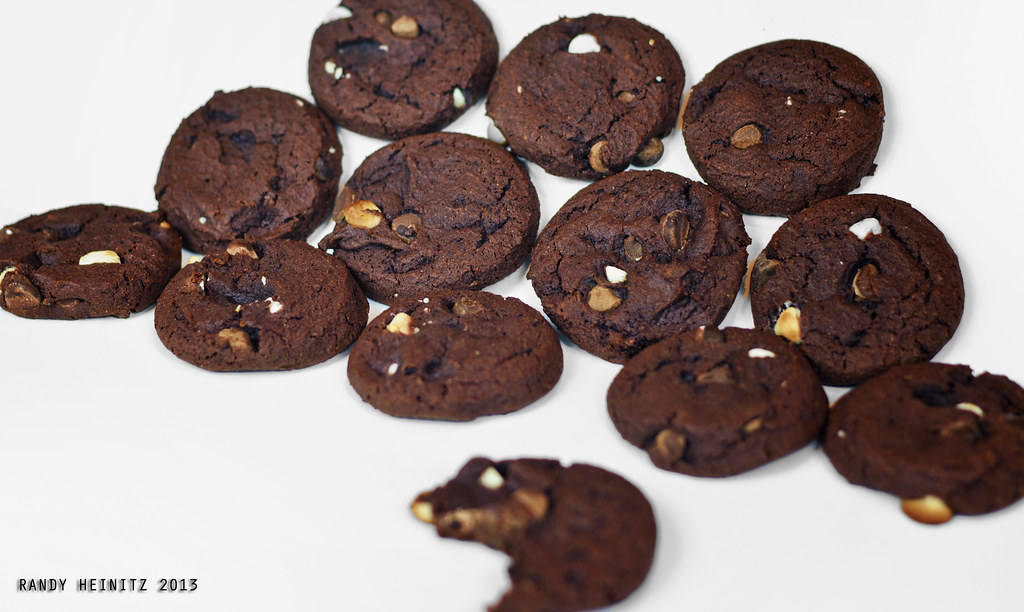
 Photo by Randy Heinitz

First Example:

Stephanie: I need to get some bagels for a meeting.
Baker: How many do you need?      
Stephanie: Well, there's going to be 10 people, but I want a couple extra because I'm not sure what everyone likes. So I guess a dozen.
Baker: How about a baker's dozen, which is thirteen?
Stephanie: That's perfect!


Meaning: A "baker's dozen" is a phrase that really just means "13" of something. This expression is most commonly used when purchasing baked goods, such as bagels, donuts, rolls, etc. It refers to the tradition of a baker throwing in one extra when a customer purchases 12 of something, as in the example above.


Second Example (added by request):

Christina wanted to give out donuts during her class presentation. There 12 students including herself, but there was also the teacher, so she asked for a baker's dozen.

Origin (a little something extra):

It's commonly believed the expression comes from medieval England, when there were strict laws regarding bread sellers. Since bread was a staple in the people's diet, there were laws regulating the price of bread based on weight. So if a baker sold a customer a dozen loaves, but accidentally only included 11 loaves, or one of the loaves was under weight, that baker could be heavily fined for overcharging the customer. So bakers started throwing in an extra loaf for orders of a dozen loaves, just in case, and the expression was born.

Thursday, January 28, 2016

Scarf Down

Context #1: 

The most embarrassing thing happened to me yesterday at lunch. My problems started in the morning. I forgot to set my alarm and woke up late, so had to rush out of the house without breakfast. By lunchtime, I was so hungry! I scarfed down my lunch like I hadn't eaten in days! The embarrassing part was that my very cute coworker saw the whole thing and I didn't notice until I was finished! Now he probably thinks I always eat like an animal. So embarrassing. 


Context #2: 

This week's party will include a formal dinner. Please use appropriate language. Please do not scarf down your food and don't forget to put your napkins in your laps.

Explanation:
to scarf down something means to eat something very quickly without regard for manners. When using this expression, a noun or name of food should follow the expression. 
He scarfed down the whole bag of potato chips by himself.
Don't scarf down your dinner. You'll upset your stomach. 


In Example 1, the speaker is recalling the embarrassing experience of being extremely hungry and so eating her food so quickly and ravenously. At lunchtime, she didn't care how she ate, or how she looked while she ate because she was very hungry. Only after, she realized that someone else had witnessed her wild eating.


In Example 2, the speaker is giving instructions for the upcoming party. Since the dinner will be formal, participants are instructed to eat slowly and politely, NOT to scarf down their food. 

Tuesday, January 26, 2016

Grub/Grub on

Context #1: 

I'm so hungry! Let's get out of here and get some grub!


Context #2:

I'm so hungry! I could grub on just about anything right now!

Explanation:
the word grub can be used as a noun or a verb. 
In noun form, it means food. In verb form, it means eat. 
In example 1, grub is used as a noun. "Let's get out of here and get some food"

In example 2, grub on is used as a verb. "I could eat just about anything..!"