Search This Blog

Translate

Thursday, June 20, 2013

To get out of hand

Idiom: "to get out of hand”


Example #1:
Jim: Did you see what happened at Kim’s party last night?
Steve: No, I had to work, so I couldn’t go.  
Jim: Well, people just kept on drinking and drinking beer. Then there was a fight and things really got out of hand.
Steve: What happened then?
Jim: Then the police came, broke up the party, and everyone went home.
Steve: Sounds exciting!

Example #2:
Selena: I am so tired!!! I had to substitute teach a 5th grade class today.
Jackie: Oh, no! That must have been difficult.
Selena: Yes, it was. And every time I turned my back to write on the board, the kids would start playing and talking. After a while, things really got out of hand.
Jackie: What did you do?
Selena: Well, I sent about five kids to the principal’s office. I’m never teaching that class again!


Meaning: "To get out of hand" is a very commonly used idiom in American English. It is used to describe a situation that cannot be controlled. In the first example, the party goers are drinking and fighting, so things got out of control. In the second example, the 5th graders are out of control and not listening to the substitute teacher. This idiom can be found in the 2nd edition of Reading Horizons. This book is used at LSI schools in the level 6 Reading/Vocabulary classes. For more information, please visit: www.languagesystems.com

Tuesday, June 18, 2013

To Bend Over Backwards


Example #1:

Joe: Wow! That was a great party at Sandy’s house. She really bent over backwards to make everyone feel right t home.
Steve: I know, she was so nice and talked to all the guests.
Joe: I’ll definitely go again if she has another party.

Example #2:

Sally: I can’t believe they have 10 kids, five boys and five girls!
Julie: I know and they really bend over backwards to treat each of their children equally.
Sally: That’s hard to do with so many children.
Julie: Yes, but I think they are doing it.


Meaning: "to bend over backwards" is a very commonly used idiom in American English. It means to make a special effort, especially in order to please someone. In the first example, Sandy bent over backwards to please her guests so that they would have fun. In the second example, the parents bend over backwards to treat each child in their family equally. Our students learn practical idioms like this in our Speaking and Listening classes at LSI. For more information, please visit www.languagesystems.com

Tuesday, June 11, 2013

A Sight for Sore Eyes


Idiom:  A Sight for Sore Eyes; used as a noun/idiomatic expression.

First Example:  After having lived in Russia for two years, Betty was really happy to return to her hometown of Malibu in California.  For the past two years, Betty had constantly dreamed of surfing in the ocean.  When she finally saw the beach, it was a sight for sore eyes.

Meaning:  A Sight for Sore Eyes means someone or something you’re glad to see again.  In this example, Betty was really glad to see the beach because she had spent a long time away from it during her stay in Russia.  This idiom can apply to any situation where someone is really happy to see something that they had been yearning for.  The idiom is used as a noun and/or idiomatic expression.

Here is another example:

Second Example:  After William returned from a long business trip, his own bed was a sight for sore eyes.

Meaning:  In this case, the idiom, A Sight for Sore Eyes, is used to express William’s happiness at seeing his bed after traveling for a long time.  When most people travel for an extended period of time, very often they’re glad to see a familiar sight.  In this example, the idiom is being used as noun/idiomatic expression.

This idiom is from the book "Everyday Idioms – Book One" which is used in the LSI Intermediate Conversation Class.

For more information, please visit http://www.languagesystems.com/


Freebie

Idiom:  Freebie; used as a noun.

First Example:  
Sam:  “I work as a food critic for a magazine about food.  The salary is a little low but there are a lot of freebies with the job.  Some of the shops that I review send me boxes of cheese so that I can write articles about them.  But there’s one problem.
Mary:  “What’s that?”
Sam:  “I don’t eat cheese!”

Meaning:  Freebie means something which is given for free, often in return for possible favors in the future.  In this example, Sam, who is a food critic, often receives free items from the stores that he reviews.  Because his job is to review stores, the owners of these shops believe that by sending him free sample items, Sam will write positive articles about their stores.  This idiom can apply to any situation where an individual receives something for free.  This idiom is used as noun in this example.

Here is another example:

Second Example: Alex likes to check for grand openings of new stores in his area on Yelp.com.  When his friends ask him why he always attends the grand openings, he tells them that the stores often give away freebies to encourage future customers to return and buy things from these shops.

Meaning: In this case, the idiom, freebies, serves to express the idea that shops often give away free items to promote the grand opening of the stores.  Many shops often give away free products to encourage customers into becoming regular patrons and hope that they will promote the store to their friends in the future.  In this example, the idiom is being used as a noun.

This idiom is from the book "Help with Idioms," which is used as supplemental material in LSI’s Intermediate Conversation classes.


For more information, please visit http://www.languagesystems.com/ 

Wednesday, June 5, 2013

Snap A Photo

Example 1:
Excuse me, sir. Would you mind snapping a photo of me and my family near this statue? We really appreciate it! Thanks!


Example 2:
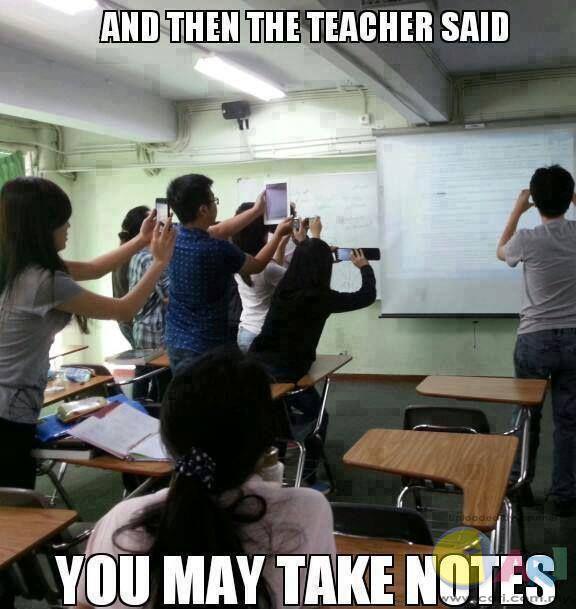
Hold on, I want to snap a photo of the notes on the board before the teacher erases them.

Meaning:
snap a photo means to take a picture

This idiom is from LSI's 1st edition of "Reading Horizons," which was used in the Level 6 Reading classes. For more information, please visit http://www.languagesystems.com/

Penny-pincher

Example 1:
Ronald is such a penny-pincher. He will only buy something if he has a coupon or if it is on sale.

Meaning: a penny-pincher is someone who is very careful with money. In the example, Ron makes sure he never pays full price for anything.

Example 2:
Our budget is tight this month. We have to pinch our pennies until my next paycheck.

Meaning: to pinch pennies means to be careful with all your money, even small coins like pennies (1 cent coins). You can insert a possessive adjective when talking about a specific person's money.
She should pinch her pennies. We must pinch our pennies. I didn't pinch my pennies, now I'm broke.

This idiom is from LSI's 1st edition of "Reading Horizons," which was used in the Level 6 Reading classes. For more information, please visit http://www.languagesystems.com/